
VivaTech 2022: The CNRS, A Driver of Tomorrow's Innovation
Corporate
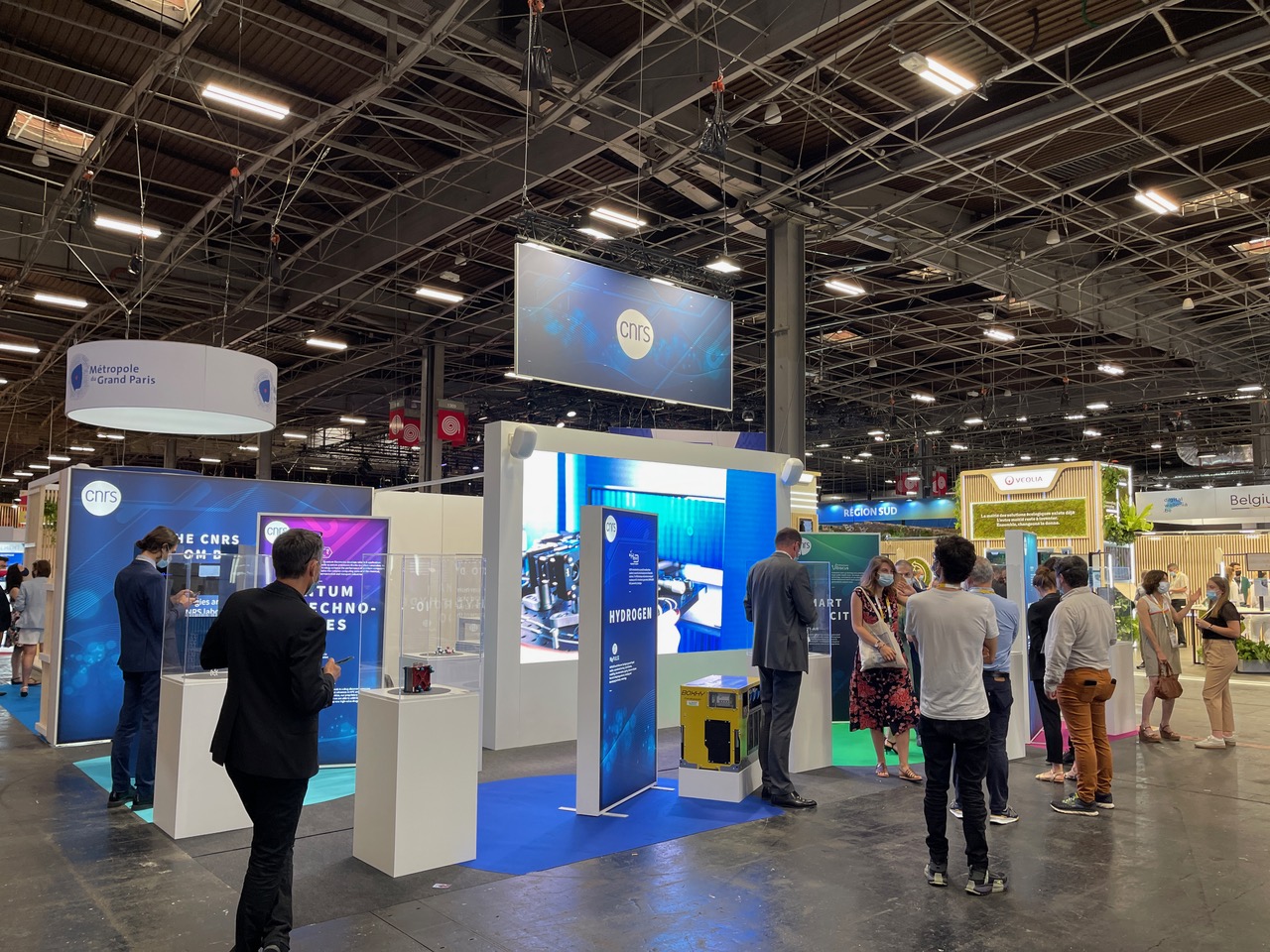
At Europe's largest innovation tech fair, to be held from June 15-18 2022, the CNRS will present a dozen start-ups in the fields of health, sustainable development, and digital technology, offering an illustration of the scientific research being pursued in connection with national acceleration strategies.
The CNRS is a major actor in French deeptech, with over 1,700 start-ups emerging from laboratories under the organization's administrative supervision in the last twenty years.
"This year we invited more 'mature' start-ups to be present. Some took advantage of CNRS support tools such as prematuration,
A good example is Cardiawave, one of the 12 start-ups that will be presented at the CNRS booth this year, which was created in 2015 as a spinoff from the Langevin Institute
VivaTech’s back!
"This 6th edition marks the major return of VivaTech," affirms Julie Ranty, the Managing Director of the VivaTechnology fair. Over 1,500 exhibitors are expected at the Porte de Versailles and on the digital platform, which will be freely accessible worldwide in order "to create a genuine online echo chamber for the event." Major topics were chosen, such as the fight against global warming, the energy transition, mobility of the future, the "future of work," inclusion, Web3,
"VivaTech is a fine opportunity to feature and develop one's network with the CNRS and start-ups. The tech fair also ensures visibility to the broader public, although many of the start-ups are not yet on the market," explains Sophie Brac de la Perrière, co-founder and CEO of the start-up Healshape,
Health, durability, and digital technology
This year the CNRS chose three fields that are facing challenges with a major societal impact: health, sustainable development, and digital technology. Accelerating the discovery of new medical treatments, transforming atmospheric CO2 into fuel, designing a quantum computer... The ground-breaking innovations that will one day enable these achievements will be presented at the CNRS exhibitor space. "We would like to share our vision at VivaTech, showing how the fast-approaching quantum computer will meet the challenges of the 21st century and impact industry, or how one can set out from a laboratory along an entrepreneurial path where Big Tech and start-ups meet,"explains Théau Peronnin, co-founder of the start-up Alice & Bob, whose goal is to create a universal quantum computer within five years that can run any algorithm without error, a revolutionary promise that recently helped raise 27 million euros in funding.
Imagining the projects that will be presented at VivaTech 2032
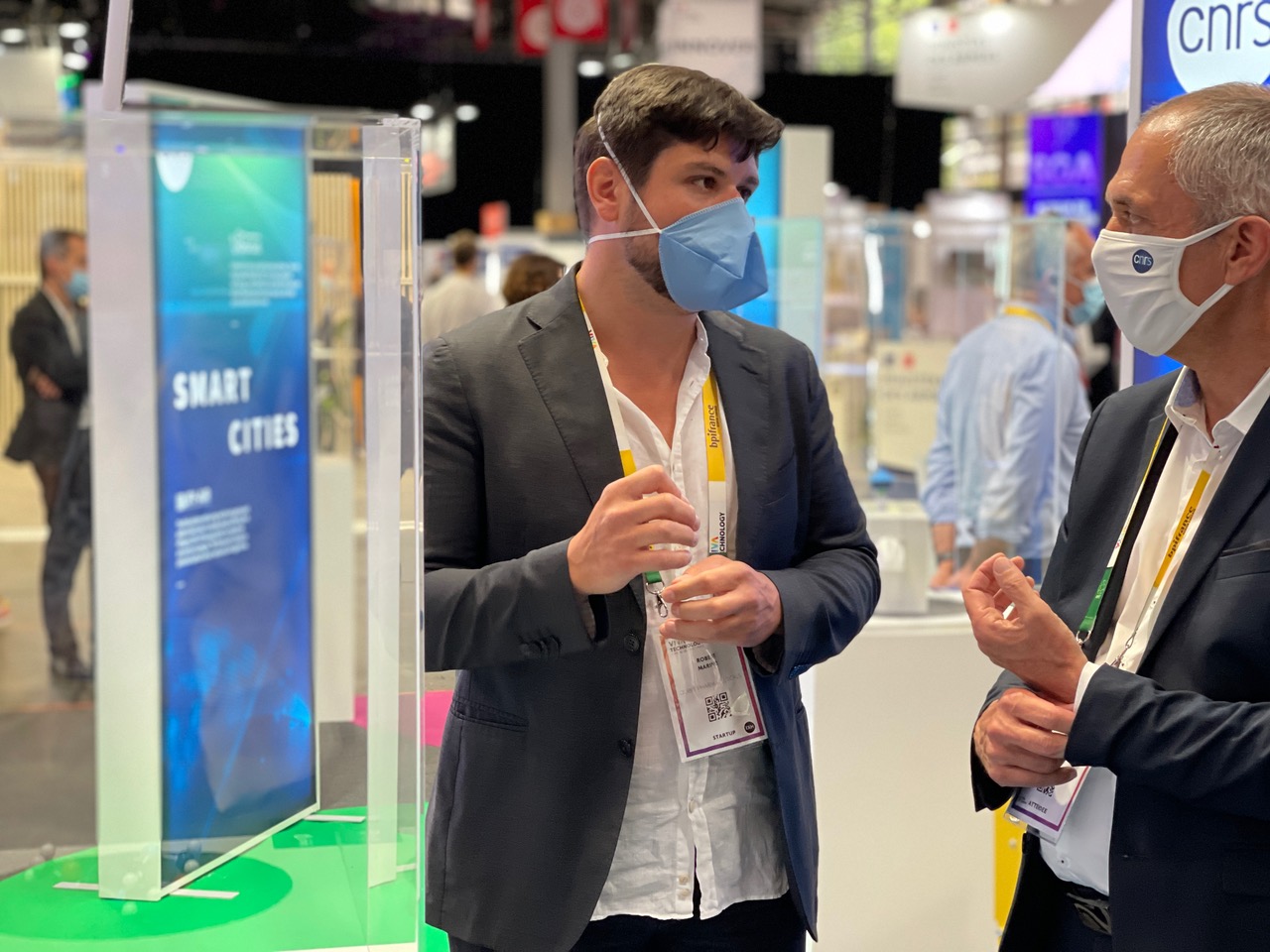
The programme at the CNRS booth will also include talks and discussions regarding subjects relating to France’s exploratory Priority Research Programmes and Equipment (PEPR), in addition to the national acceleration strategies identified by the government as part of the France 2030 Recovery plan, such as quantum technology, space exploration, decarbonising industry, medtech, and biotech. These discussions among leaders of PEPRs—whose goal is to meet today's economic, societal, digital, and environmental challenges—and managers of start-ups that have emerged from CNRS laboratories serve as a link between the scientific vision of today and the concrete accomplishments that will result in the decade ahead. "At VivaTech 2022 we will present, via the start-ups at the CNRS booth, actual accomplishments that have grown out of well-establish research results, along with the major scientific orientations for the future that will be implemented as part of PEPRs, such as quantum technology, smart cities, and hydrogen. This snapshot of on-going research activity will help project into the future, by imagining the projects that will be presented at VivaTech 2032!" adds Moullet.
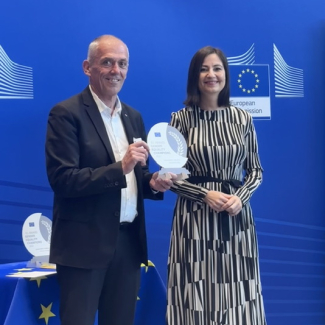
The CNRS will announce the winners of the CNRS Innovation Medal at VivaTech on 16 June, the first time it has done so. "This award honours important figures whose exceptional research has led to striking technological, economic, therapeutic, or social innovation, such as Esther Duflo, who was awarded the 2011 CNRS Innovation Medal and the 2019 Nobel Prize in Economic Sciences for her methodology relating to the impact of randomized evaluations," emphasizes Ranty.
Click here for the full list of start-ups and series of talks (in French) on the CNRS exhibitor space