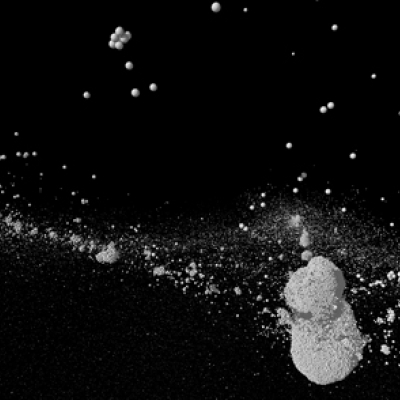
Comets made up of two lobes, such as Chury, visited by the Rosetta spacecraft, are produced when the debris resulting from a destructive collision between two comets clumps together again. Such…
The CNRS Public Affairs Department facilitates access to science through laboratory visits, creating connections with specialists and the dissemination of leading scientific publications, thus…
Upolu, one of the nine islands of Samoa, in the Pacific Ocean. Well-known among fans of diving, this isolated coral reef promised to be a site of rich biodiversity for the scientists on the Tara…
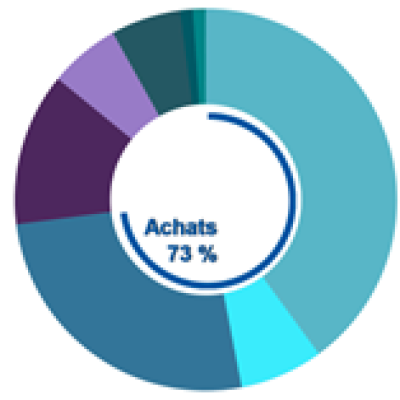
The first tangible effects of the CNRS's low-carbon transition plan can be seen a little over a year after the plan's launch. Let's take a look at the main successes.
As the final phase of strategic programming draws near for Horizon Europe, the framework programme for research and innovation, the European Commission has begun preparing its successor FP10 (10th…
The CNRS is a member of the G6 which recently gave its informed opinion on the use of new genomic techniques. This came in December 2023 and the European Parliament plenary session is due to vote in…
New results, mainly from data from the Tara Oceans expedition (2009-2013), provide the most comprehensive catalog to date of viruses found in all the world's oceans, including the Arctic Ocean. Led…
As the only French public research institution to be a partner of ChangeNOW, the CNRS is reaffirming its commitment to a sustainable future, and will be present at the event through several…