
The 3D architecture of the genome enables cells to remember their past
Paris,
Health
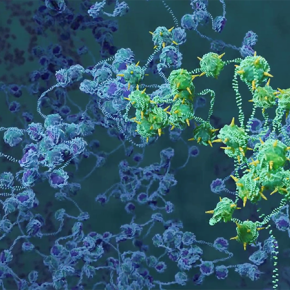
A French research team led by CNRS scientists¹ has discovered that cells are able to retain a memory of a previous perturbation within the 3D structure of their genome, independently of their DNA sequence. When they are exposed to a transient stimulus that induces changes in the proteins that compact DNA - thereby altering chromosome architecture - cells retain this modified architecture even after the initial cellular conditions have been restored. Moreover, this cellular memory is amplified if the cells are exposed to the same stress again. These findings will be published in Nature Genetics on February 4.
The researchers uncovered this phenomenon by exposing mouse embryonic stem cells to a compound employed in the treatment of certain cancers. The molecule modifies chromatin compaction² by activating some genes while preventing the transcription of others.
To further validate their hypothesis, the team experimentally removed specific 3D genomic structures. Once they were lost, the cells could no longer retain their memory of the past exposure.
The discovery of this memory mechanism broadens our understanding of the role of chromatin, which until now was mainly thought to be limited to the regulation of individual gene activity. It also opens up new research perspectives for therapies based on modifying chromatin compaction.
Bibliography
Transient histone deacetylase inhibition induces cellular memory of gene expression and 3D genome folding.
Flora Paldi, Michael-Florian Szalay, Solène Dufau, Marco Di Stefano, Hadrien Reboul, Daniel Jost, Frédéric Bantignies et Giacomo Cavalli. Nature Genetics, 4 February 2026.
DOI : https://doi.org/10.1038/s41588-025-02489-4