Oceans, which cover 70% of the planet, are in peril. Global research is mobilising to study and rescue it, and the CNRS is on the front lines, with over 1,000 scientists and 50 laboratories involved…
The CNRS has identified six major transversal challenges to which it aims to make substantial contributions over the medium term: the brain, materials of the future, life in the Universe,…
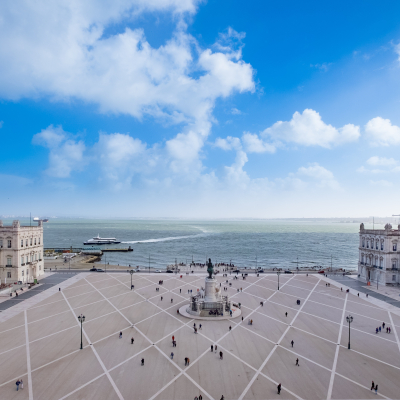
France hosted the One Ocean Summit earlier this year, and researchers and actors focusing on oceans are now meeting at the United Nations Ocean Conference. The event will be held in Lisbon from 27…
The thousand potential applications of fluid control on the nanoscale
Producing electricity, desalinating seawater, and removing alcohol from beverages are just some of the applications growing out of the basic research conducted by Lydéric Bocquet, a C...
Horizon Europe is the world's most open research programme in the world with its twenty associated countries. This strategic tool for global science has been fully embraced by the CNRS.
In 2017, the CNRS has awarded two Gold Medals, to the physicists Alain Brillet and Thibault Damour for their major contributions to the detection of gravitational waves, first announced on 11…
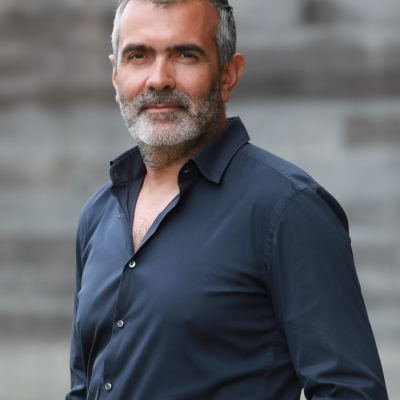
“I am guided by a vision of the world where the sensible exploitation of natural resources, accompanied by scientific innovation, aligns harmoniously with the environmental, social an...
Director of the National Programmes Mission (MiPN)
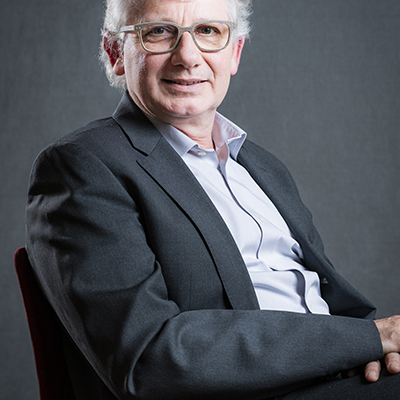
Frédéric Villiéras is a trained geological engineer and joined the CNRS in 1993 as a researcher at the Laboratoire Environnement et Minéralurgie (Lem) in Nancy. His research focuses o...
Exploring the deep sea to understand and preserve itThe marine realm plays a crucial role in the Earth’s global equilibrium. With increasing human pressures, it is becoming urgent to ...
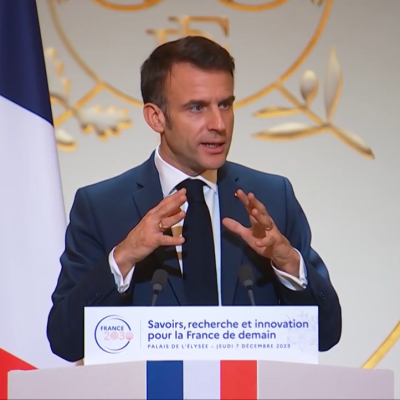
The creation of the new Presidential Council for Science was announced by the French President Emmanuel Macron on December 7th 2023. This body is intended to act as a link between the government and…