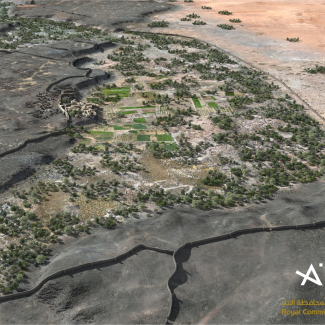
The capture and storage of water are an integral part of the development of human societies. The geoarchaeologist Louise Purdue studies the history of hydraulic systems, from simple wells to complex networks of canals and galleries. She tells CNRS News about how they have evolved in response to changing demographic and environmental conditions.
From dependence to addiction to the dogma of abstinence, the CNRS neuro-addictologist Serge Ahmed talks about the way our societies view the loss of control over consumption.
The sociologist Bernard Lahire feels that it is time for his discipline to identify the fundamental structures of human societies as universal mechanisms, as indisputable as the laws of physics and biology. An audacious proposal made possible by the observation of non-human societies.
As a result of climate change, a third of the world's population is likely to be affected by dwindling water reserves. This will inevitably lead to growing tensions, both internationally and locally, and raises the issue of how the world's water resources are managed and used.