The environmental transition is taking root at the CNRS
A year after the CNRS's first Overall Sustainable Development and Social Responsibility (SD&SR) Plan was published, a day dedicated to the environmental transition of research has confirmed the adoption of this approach at all levels of the organisation.
On Friday February 6th 2026, the auditorium at the CNRS's Parisian headquarters was packed to the rafters with similar enthusiasm for the event online translating into 600 remote participants. Why such a large turnout? No internationally renowned research 'stars' were there; instead the attraction was an issue affecting all laboratories under the joint supervisory authority of the CNRS, the environmental transition of research.
One year after the publication of the CNRS's Overall Sustainable Development and Social Responsibility Plan, the resounding success of this third environmental transition in research day clearly shows how deeply rooted this issue has become at all levels of the organisation. Every entity within the CNRS has embraced the guiding principles of this strategic document, from laboratories right up to the organisation's governance bodies. At the local level, the CNRS's Paris-Normandy regional office (one of the seventeen such regional offices), has, for example, rolled out an action plan for its three sites in Normandy in Caen, Le Havre and Rouen. The objective is to measure the environmental footprint of research so its causes can be effectively dealt with. As well as the evident benefits of cutting the organisation's environmental impact, these action plans also bolster the cohesion of working groups, which is particularly the case within CNRS research units. As Cristinel Diaconu, director of the Marseille Particle Physics Centre, put it, "the environmental transition within our units strengthens staff cohesion and promotes skills and initiatives while also enhancing the performance and quality of scientific and R&D projects".
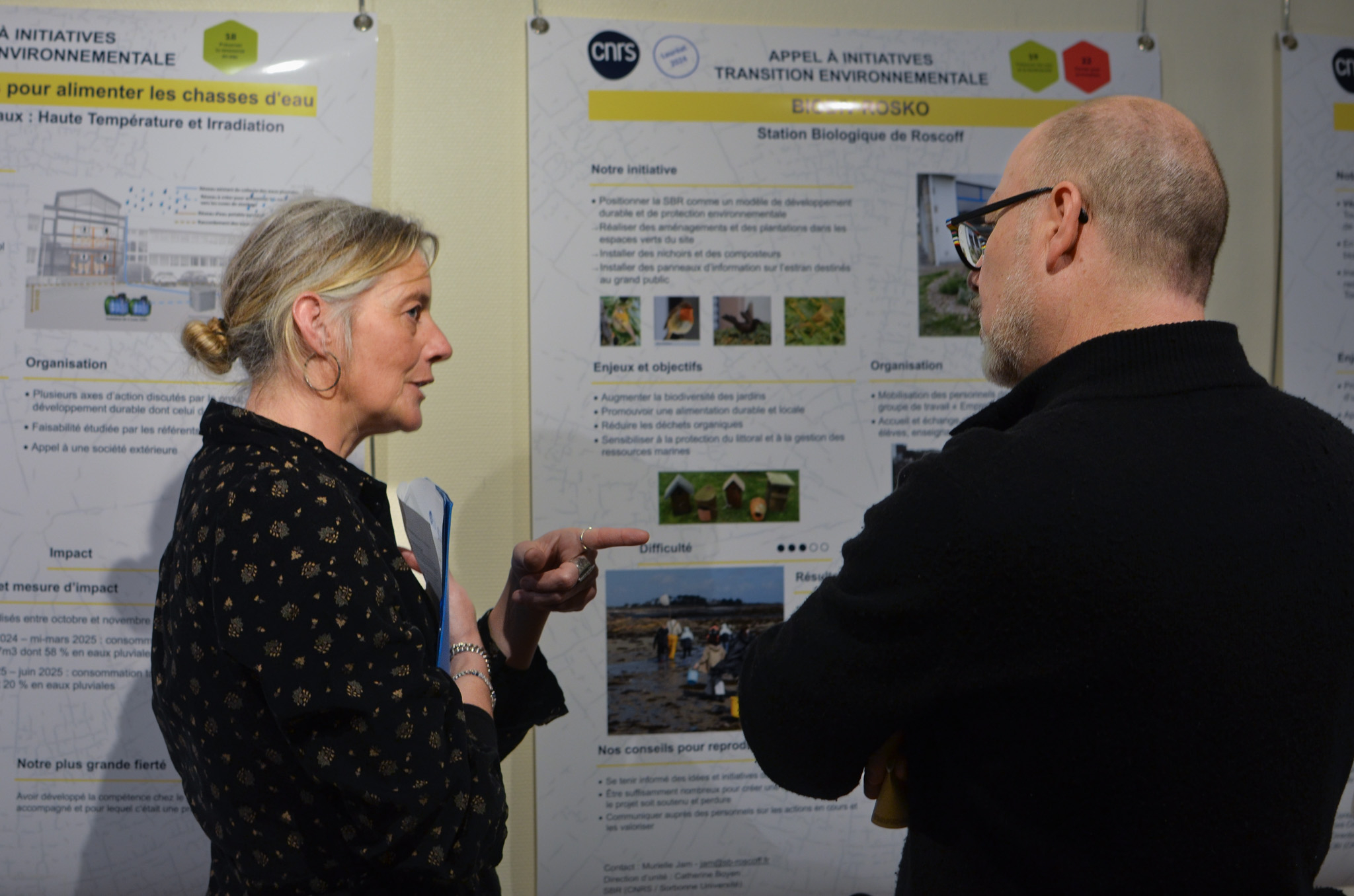
Some of these locally-based actions have been supported in the framework of the call for environmental transition projects, with some also showcased in an exhibition at CNRS headquarters. Their effectiveness is enhanced through the national effort being coordinated between the supervisory authorities of each CNRS entity. Blandine de Geyer, the CNRS's national environmental transition officer, reassured the laboratories on this point, explaining that although they "may have several supervisory bodies, they all have the same framework and reference system". She went on to cite as an example the joint declaration in favour of the environmental transition signed in January 2024 by sixteen national research organisations. Armelle Carnet, the INRAE's Director of Corporate Social Responsibility, concurs. "The environmental transition of research is the result of a combination of actions within units and the clear objectives from the supervisory authorities that have often been called for by laboratory managements. This is why it's so important to formalise common rules between partners".
From local to national
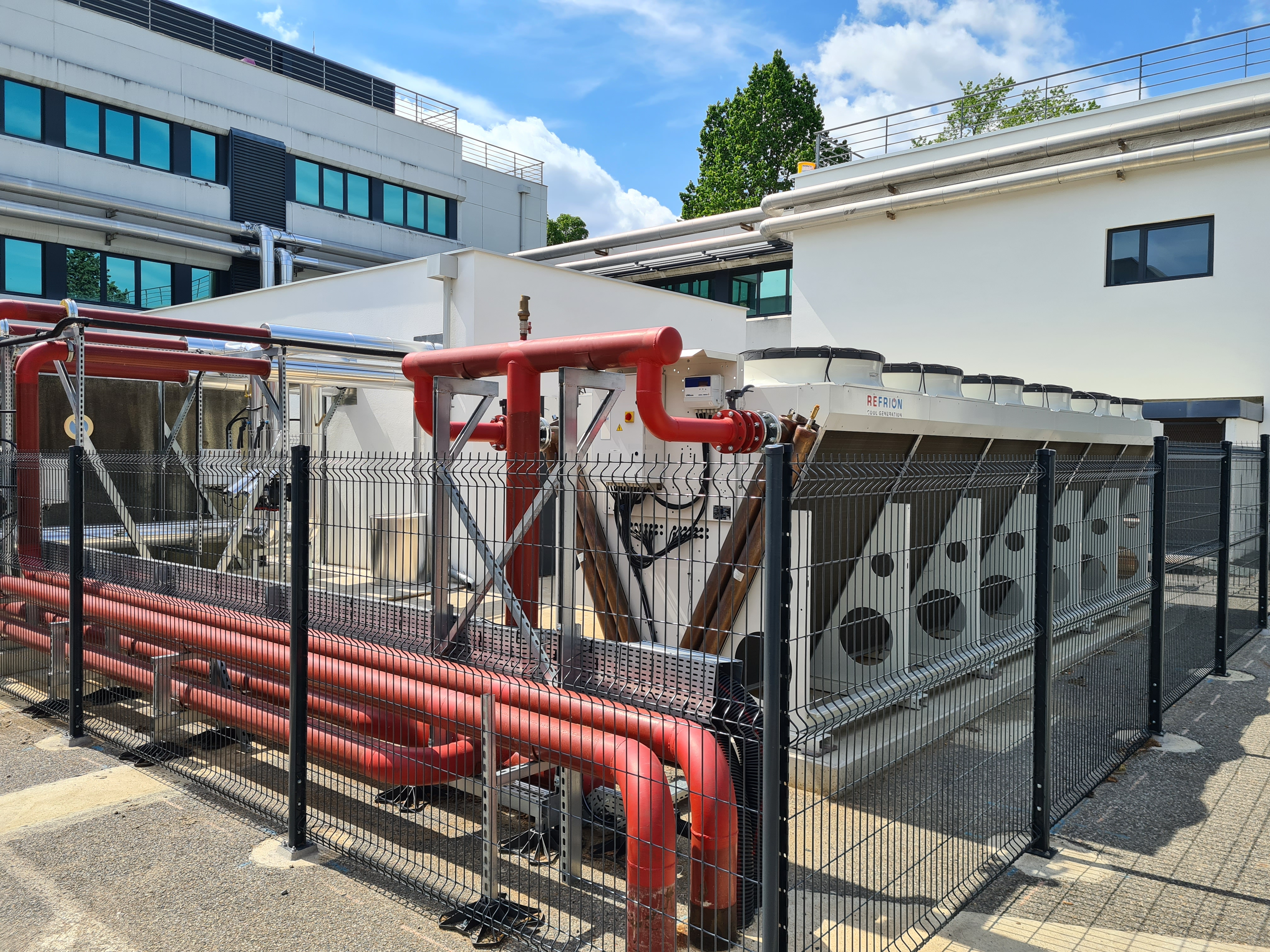
Blandine de Geyer confirms that, in fact, "the actions originated in the units and greatly inspired the development of the Overall Plan. The challenge is now to link these initiatives from our units with the constraints of the CNRS's functional departments". Several coordination and information-sharing mechanisms within the CNRS's different professional sectors have been set up during the past year to do just that. Regarding the energy efficiency of its buildings and scientific facilities, the CNRS can justifiably be proud that it has already reduced its energy consumption by almost 10% since 2019, partly thanks to those local initiatives. Toulouse's Laboratory for Analysis and Architecture of Systems has succeeded in cutting its consumption of gas by 76% and of electricity by 37% through a combination of building work and optimising the use of its energy-intensive clean room. This success has proved an inspiration for the organisation's whole technical sector thanks to the eco-energy action plan – a scheme set up in 2024 – to identify all projects at local level that could benefit from energy optimisation. Nicolas Klein, energy efficiency officer with the CNRS's Financial Strategy, Real Estate and Modernisation Department (DSFIM), considers this a question of "promoting what worked well at local level to the national level so successes can be replicated elsewhere".
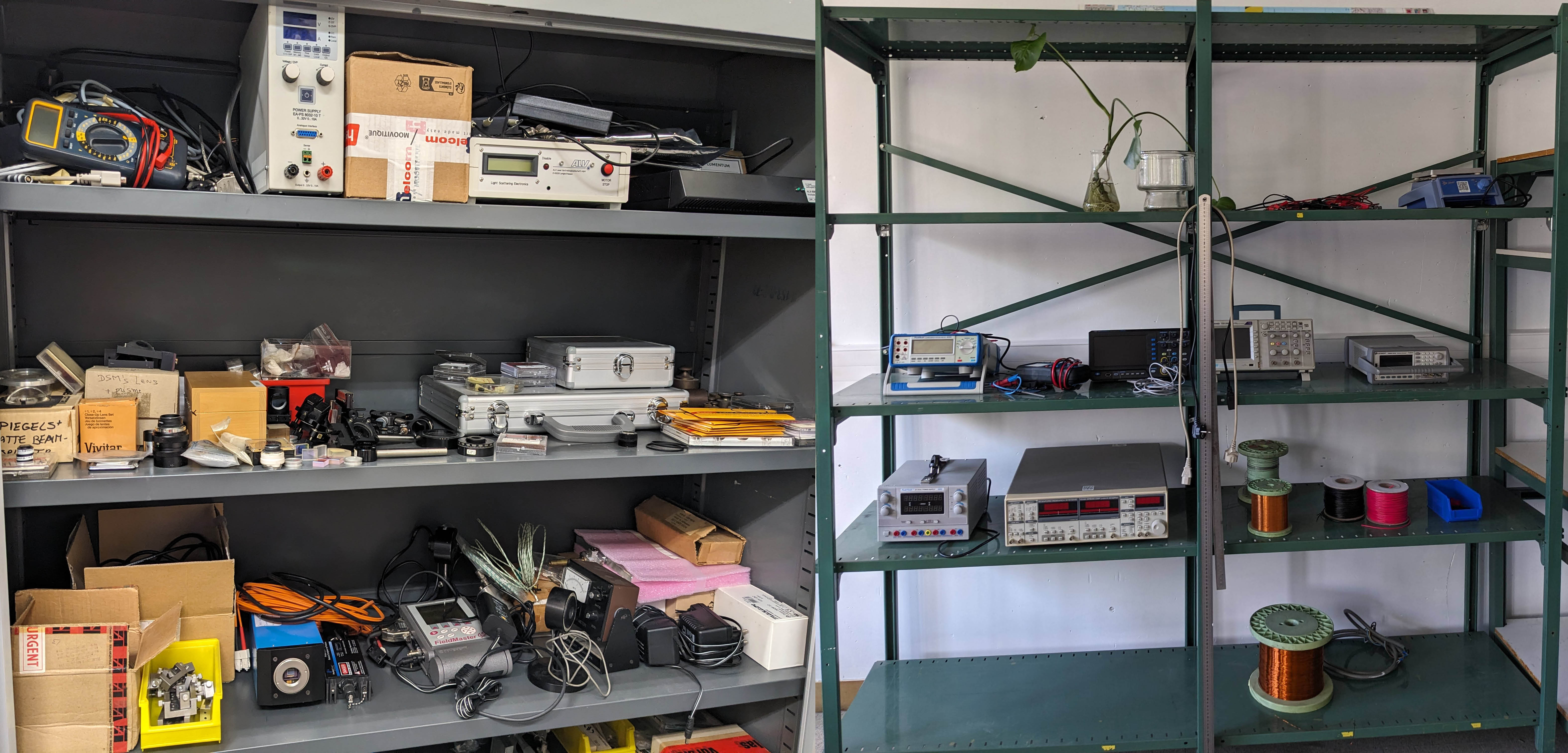
National coordination is also emerging for purchasing which is the main source of greenhouse gas emissions at the CNRS (85%) according to the organisation's second carbon footprint assessment. Guillemin Raymond, an administrative manager with the Interdisciplinary Laboratory of Physics (LIPhy)
Beyond carbon – biodiversity and sustainability
The now well-established environmental transition process is targeting other areas than just carbon, with the impact of research on biodiversity at the forefront. Although this is harder to calculate than greenhouse gas emissions, it can be estimated using the Global Biodiversity Score, a tool based on scientific data and protocols.
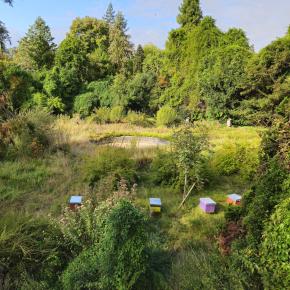
Alongside this global approach to biodiversity impact, the CNRS will soon be carrying out scientific studies at the local level. In spring 2026, a biodiversity observatory will be launched on the organisation's own sites, starting with the Gif-sur-Yvette campus in the Essonne region, which is one of the most wooded locations.
More generally, the CNRS is working hard to take into account all of its impacts on planetary boundaries, seven of which have already been exceeded globally. Impacts of this kind can be summed up in a single term – the 'sustainability' of science. To bring science back within these planetary boundaries, the CNRS included the creation of a sustainability expertise centre modelled on a similar centre at the University of Lausanne in Switzerland in its Overall SD&SR Plan. The foundations for this future centre have already been laid with initiatives like the EcoInfo research and services network that has been dedicated to sustainable IT for nearly twenty years; the Labos 1Point5 research network which is known for its scientific work and also its GES 1Point5 tool for laboratories; the Utopii research support unit (UAR) dedicated to the environmental assessment of engineering research projects; and the Exchanges UAR set up in September 2025 to build bridges between the humanities and social sciences and other sciences on the issue of global change.
All of these structures confirm the view of Antoine Petit, the CNRS Chairman and CEO. "The environmental transition of our activities is far from a constraint. It actually represents an opportunity to construct better research and is also a source of scientific and organisational innovation, the aim being to reduce science's environmental footprint while maintaining its level of excellence in the service of society".