


France at the heart of worldwide polar research
At UNOC-3 the first deliverable from the Climate, Biodiversity and Sustainable Societies programme agency assigned to the CNRS was presented – a foresight study of French polar research.
The programme agency you direct has just published a foresight study on French polar research. Why was this chosen as the agency's first deliverable?
Elsa Cortijo
Subsequently, at the One Planet Polar Summit in November 2023, Emmanuel Macron announced the launch of an East Antarctic research programme which the scientific community had been strongly calling for. Following on from this, a few months after the creation of the programme agencies in mid-2024, the French Ministry of Higher Education and Research asked us to work on a scientific polar foresight study, the research complement to the overall polar strategy. In practical terms, the aim of this foresight research is to translate the polar strategy's ambitions into tangible research guidelines centred on a coherent interdisciplinary programme geared towards international cooperation.
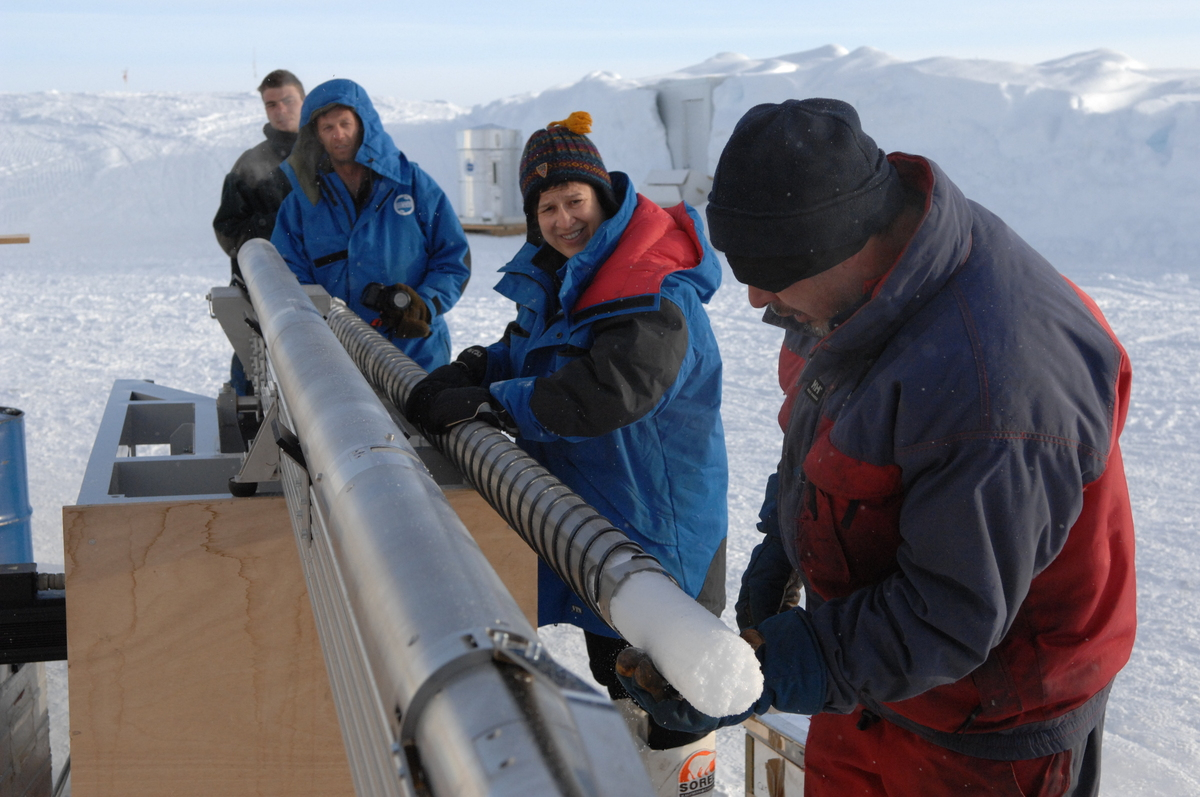
For this first deliverable, the agency was the contracting authority and assigned the project to the CNRS's, Earth & Space Institute, working in association with all the agency's partners involved in polar research (the CEA, the Ifremer, the MNHN
What are the foresight study's main conclusions?
E. C.: The report published today at the Third United Nations Conference on the Oceans (UNOC-3) in Nice presents a structuring polar research programme developed by the national scientific community. It's an interdisciplinary programme covering the three polar regions – the Arctic, Antarctic and sub-Antarctic – and the whole polar socio-environmental system (see box below). This approach dovetails with strong international cooperation initiatives like the Decade of Action for Cryospheric Sciences (2025-2034) launched by Unesco, the international Antarctica InSync programme
15 scientific challenges and major investments: priorities for polar research
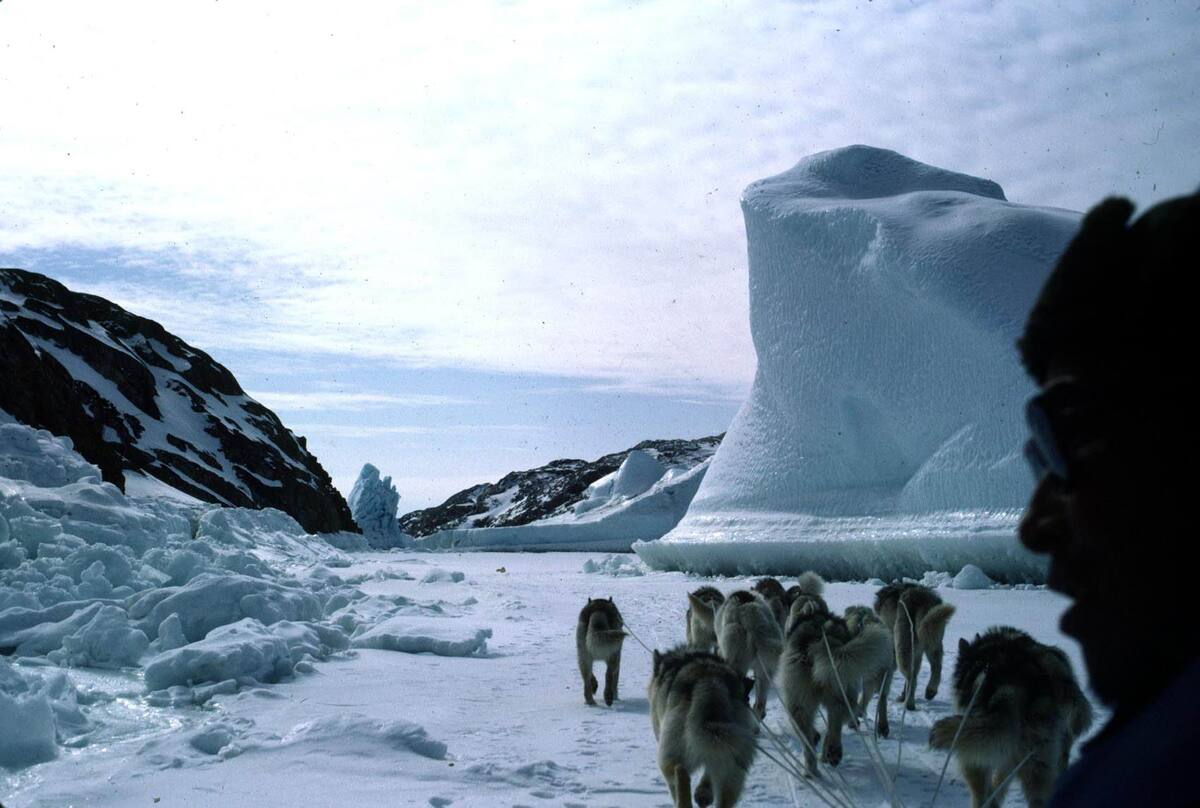
The Arctic is warming almost four times faster than the global average with glaciers melting in the Antarctic, viruses reaching sub-Antarctic regions and so on. "The poles are both the sentinels and drivers of the climate, and what goes on there has consequences for local and global ecosystems and populations", explains Gaël Durand
What are the agency's next projects after this first deliverable?
E. C.: Two other subjects are being launched currently. The first is being collectively dealt with by the 'Agralife' programme agency, led by the INRAE

The second subject is human intervention in the climate which people will perhaps know better as 'geoengineering'. Given the difficulty of drastically reducing greenhouse gas emissions despite the efforts that have already been made – which of course need to be continued – like the idea of implementing specific technologies in this area is gaining support. These aim to remove CO2 from the atmosphere, for example by increasing the oceans' rate of carbon absorption through the 'carbon dioxide removal' (CDR) strategy or to modify the planet's radiation balance
There is much division between countries and among scientific communities on the issue of climate intervention. Some call for a moratorium while others are increasingly considering these technologies as ways of combating climate disruption, following the example set by the United Kingdom which just launched its first call for projects on SRM. These questions are also being raised within the IPCC, which is deliberating whether to include some of these technologies in work on its seventh report scheduled for publication by the end of the decade. This means our work supported, among others, by the Ministry for Ecological Transition, Biodiversity, Forestry, Sea and Fisheries, has a complex overall context and will aim to produce a national roadmap from a European perspective.
These two new subjects are at the interface of research and civil society issues and are core topics for our programme agency.
