


Réunion Island, a laboratory for the One Health approach
Local authorities and health services faced with outbreaks of dengue, chikungunya and leptospirosis in Réunion are now asking researchers for support in adapting prevention measures, strengthening tools for controlling vectors and anticipating future risks.
Key takeaways for action
- In Réunion, which has been hit by outbreaks of dengue, chikungunya and leptospirosis, public authorities and local health services are working closely with scientists.
- The One Health approach enables the entire chain of transmission to be examined, thereby improving tools for disease control and prevention.
- The Réunion Region draws on scientific knowledge to anticipate future health risks in its strategic documents.
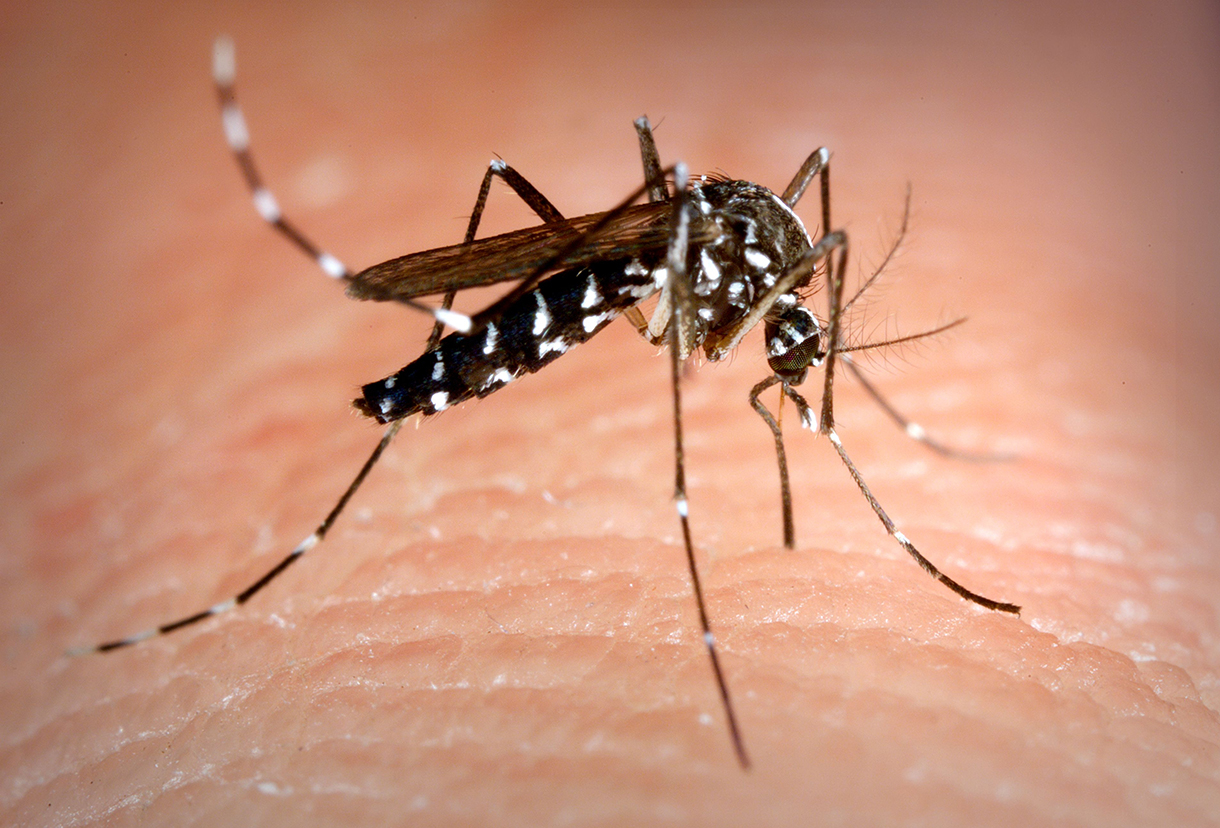
A new inhabitant arrived in Réunion twenty years ago – chikungunya, a virus transmitted by mosquitoes and more particularly tiger mosquitoes (Aedes albopictus). The outbreak of chikungunya between 2005 and 2006 affected almost 40% of the island’s population, causing over 200 deaths. The virus then largely disappeared from this French overseas department in the Indian Ocean… until 2024 when an external reintroduction led to a major new outbreak affecting around 55,000 people and around forty reported deaths. A study carried out by Santé Publique France found that two-thirds of Réunion’s population were infected in total.
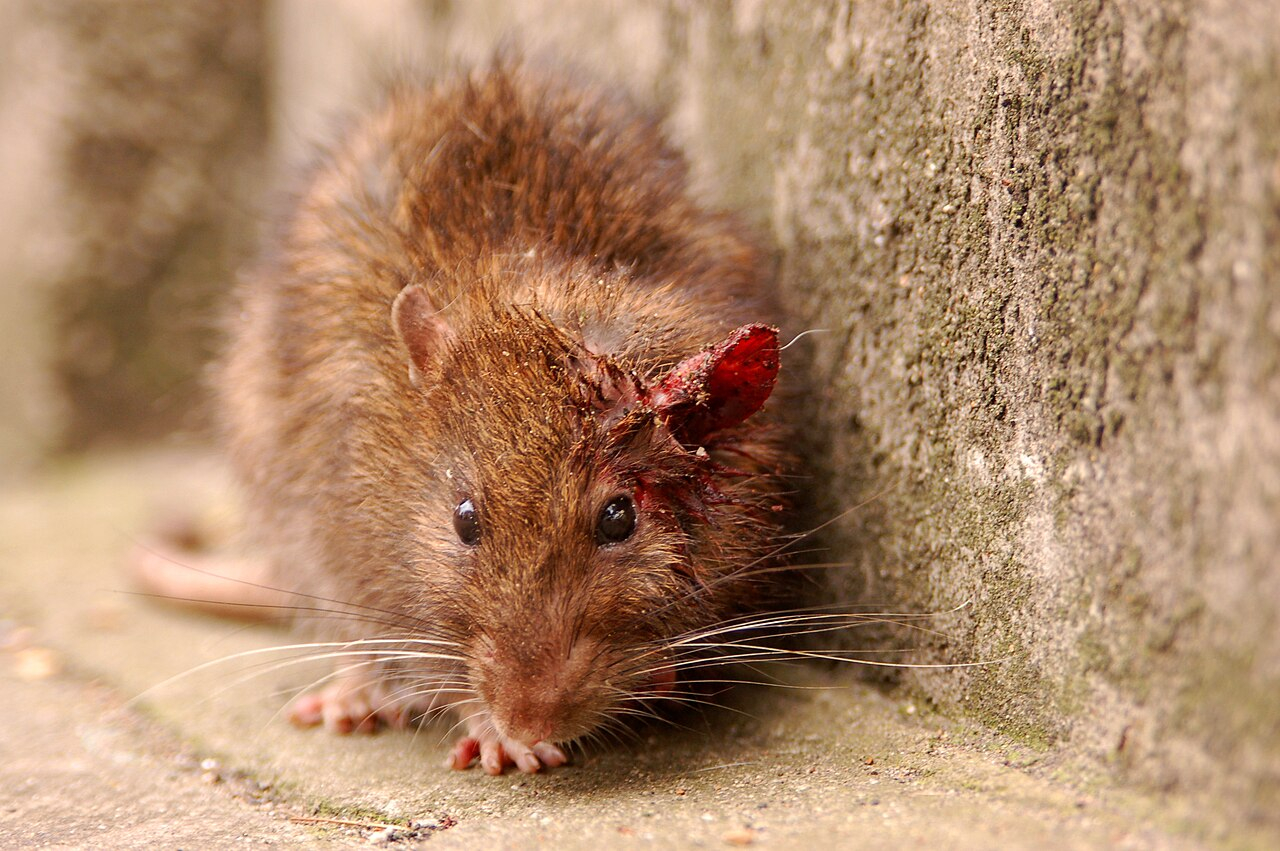
In parallel to these chikungunya outbreaks, another infectious disease has now taken hold on the island – leptospirosis. This is mainly transmitted by rodents, but also by dogs and livestock via pathogenic bacteria excreted in their urine and dispersed into the environment with the result that leptospirosis is now gaining ground every year. “We’ve had cases of leptospirosis for decades but what’s new now is the scale of the problem”, confirms Manuel Rodicq, head of the vector control department at Réunion's Regional Health Agency (ARS). “About ten years ago, we had between 50 and 80 cases a year but we've seen a very sharp rise since 2017 and are now recording between 100 and 300 cases a year. In 2026, we could be getting close to 300 cases as 104 cases have already been recorded since the start of the year alone”.
However, Manuel Rodicq now worries that “we don’t understand why leptospirosis is on the rise. It’s a disease linked to the tropical climate, but the tropical climate didn’t just appear yesterday…”. The ARS has now asked for help from scientists to shed light on this mystery. “We need operational research that's capable of analysing the situation and adapting our control methods and tools”, argues Mr Rodicq. In this context, Réunion's ARS can rely on the innovative scientific One Health approach highlighted at the start of April 2026 at an international summit in Lyon. This health approach takes the close links between human, animal and ecosystem health into account to promote tangible solutions that benefit both humans and biodiversity as a whole. In the Saint-Denis metropolitan area, the island’s administrative centre, the Processus Infectieux en Milieu Insulaire et Tropical Laboratory (PIMIT)
Mice and mosquitoes
This work has already led to the emergence of tangible results for public sector stakeholders. Let's go back to Saint-Denis where, a few years earlier, the ARS funded the RATEX research project which studied rats, the main reservoirs of leptospirosis in Réunion, with the aim of using science to anticipate a number of public health measures. However, the researchers working on this project identified a flaw in the 2006 prefectoral decree regulating rodent control, because it exclusively regulated rats even though mice are also carriers of pathogenic bacteria. “The 2006 decree was no longer scientifically accurate and needed to be revised to include the issue of mice, amongst other things”, explains Manuel Rodicq. “When we funded the RATEX project, we really hadn’t anticipated that it would lead to the prefectoral decree being amended”, he adds in surprise.
The One Health approach also means new strategies for vector control can be tested. In the Seychelles, less than 2,000 km from the coast of Réunion, Pablo Tortosa, has led a novel experiment, working with nature conservation groups and the national Ministry of Health. This involved combating mosquitoes carrying arboviruses like dengue, Zika or chikungunya by releasing other mosquitoes that carry Wolbachia
The Wolbachia approach has been in use for several years and is now gaining worldwide traction. In the Seychelles, it particularly interests large luxury hotels with substantial mosquito control budgets that are ready to fund initiative of this kind. As simple as this nature-based solution may seem, it does require significant investment. “The Wolbachia approach is clearly effective, but it requires regular releases of males, which is very costly… It's a solution for wealthy countries so it's perfectly suited to mainland France in the height of summer but unsuitable for countries in the Global South that just don't have those resources”, explains Pablo Tortosa. What about overseas territories like Réunion? “It's feasible to control mosquito populations in limited areas there, like urban zones. But it all gets more complicated as soon as you move out into the suburbs and rural areas”, the researcher adds as a cautionary note.
Releases of Wolbachia-carrying mosquitoes in New Caledonia
Audiodescription
The effects of this geographical divide are also reflected in the care provided to leptospirosis patients. Its symptoms – fever, headaches, muscle pain, and so on – are almost indistinguishable from the symptoms of dengue fever, which makes diagnosis, and thus the treatment of patients, more complicated. Pablo Tortosa explains that “the only reliable diagnostic method is the PCR test but this disease tends to affect rural rather than urban areas, which are some way from healthcare centres and therefore from diagnostic facilities”. This is why the researcher and his team are working on the implementation of a new diagnostic protocol that is better suited to rural areas within the volcanic island or in the rural regions of Madagascar and other island nations in this part of the world. In the same way as Obépine network identified the coronavirus in wastewater and thus the people carrying it during the Covid-19 pandemic, the biologist is considering a test to detect the bacteria that causes leptospirosis in human urine. “If we can identify bacterial proteins excreted early by patients, then we can develop rapid treatment techniques”, he argues.
Detecting weak signals and anticipating risks
This kind of approach should enable the detection of weak signals and, consequently, new risk factors. At the ARS, science is being harnessed to anticipate future risks and Manuel Rodicq can see one looming on the horizon: “We are targeting a new malaria vector – Anopheles stephensi –, a mosquito that currently lives in East Africa and is not present in the Indian Ocean yet. However, An. stephensi could reach Réunion via international maritime trade, and bring a fairly significant risk of malaria with it”.

To guard against such threats, local public authorities are using the One Health approach to incorporate scientific knowledge into their range of actions. The former CNRS postdoctoral researcher
Science at the service of public authorities
Beyond the PEPR's work, Kevin Lamy has high hopes for the initial framework agreement signed in 2024 by Réunion and the CNRS, along with several other local authorities and research organisations under the supervisory authority of Réunion's Regional Climate Studies Group (GREC-Réunion). This Réunion Region–CNRS partnership has been completed by a contract between the two institutions that sets out objectives, resources and performance targets, with the overall aim being to make the island a centre of scientific excellence to benefit the region and its inhabitants. This cooperation initiative is based on three priorities – reinforcing geophysical and atmospheric observatories, supporting research into emerging infectious diseases, and developing a network of scientists whose work focuses on social change. This collaboration between research and local authorities is warmly welcomed by Kevin Lamy, who advocates for “strengthening science in society, so scientists are as closely involved in public policy as possible and scientific knowledge is disseminated as widely as possible”.
With cases of dengue and chikungunya multiplying every summer in mainland France, attention may now turn to this small French island in the Indian Ocean some 10,000 km from Paris. In Réunion, this collaboration between research, health services and public authorities serves as a testing ground for a tangible One Health approach which could subsequently be rolled out across the rest of France to great effect.