This year the CNRS is opening 37 new positions with an "entry package" approaching 300,000 euros, and offering tenure as a Senior Researcher upon completion of the contract. The application…
Enabling superconductivity for sustainable fusion energyWhat if the solution for carbon-free, unlimited energy lay in materials capable of conducting electricity without loss? The Sup...
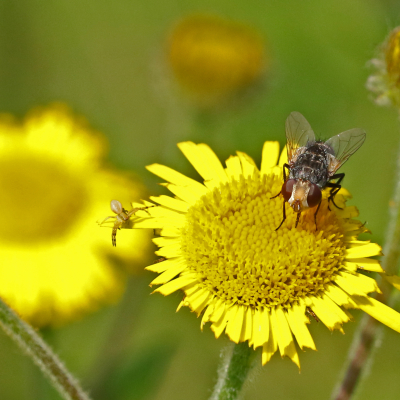
Illuminating terrestrial biodiversity dynamics to improve conservation.The accelerated decline of species threatens the balance of ecosystems. However, plants and invertebrates, the i...
Palaeosciences are intrinsically multidisciplinary and reveal the secrets of past climates and environments while providing keys to help understand our future. The publication of the white paper…
Following chemistry, biology, physics and geosciences, it is now engineering's turn to have its own thematic year which will run from September 2025 to June 2026. Lionel Buchaillot, the director of…
The CNRS has made an initial assessment of the impacts of its activities on biodiversity, using the 'Global Biodiversity Score'. This is the first step before the organisation launches an ambitious…
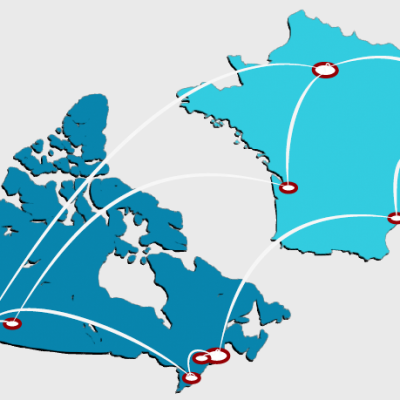
An international network in quantum science and technology, set in motion by the CNRS, will officially be launched on 1 January 2023 with 16 French and Canadian universities.
The CNRS is committed to providing responses to the planetary challenge of climate change. Through its research and innovations, it plays a role in a global dynamic structured around the sustainable…
Between delays in delivering the new European infrastructure under construction in Sweden and uncertainty surrounding the future of the Laue Langevin Institute, which is the last neutron source on…
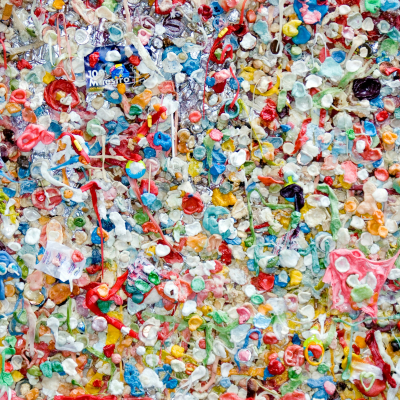
On May 23rd 2025, the CNRS and the INRAE released a collective scientific expert review on the use of plastics in agriculture and food. The report was commissioned by two ministries and a government…