Plastics – an impossible puzzle to solve?
Corporate
On May 23rd 2025, the CNRS and the INRAE released a collective scientific expert review on the use of plastics in agriculture and food. The report was commissioned by two ministries and a government agency and concludes that the agri-food sector is now in a social and technical impasse because of usages of this versatile material.
368 million tonnes were produced in 2019, compared with 1.5 million in 1950. French people are among the keenest consumers in Europe, with each person consuming 70 kg each year. Packaging accounts for 40% of the total production while the equivalent of a dustcart is dumped into the ocean every minute. Plastic is the material responsible for these jaw-dropping figures
The report drew on a study of over 4500 scientific articles by around thirty experts from 24 research organisations. The sociologist Baptiste Monsaingeon
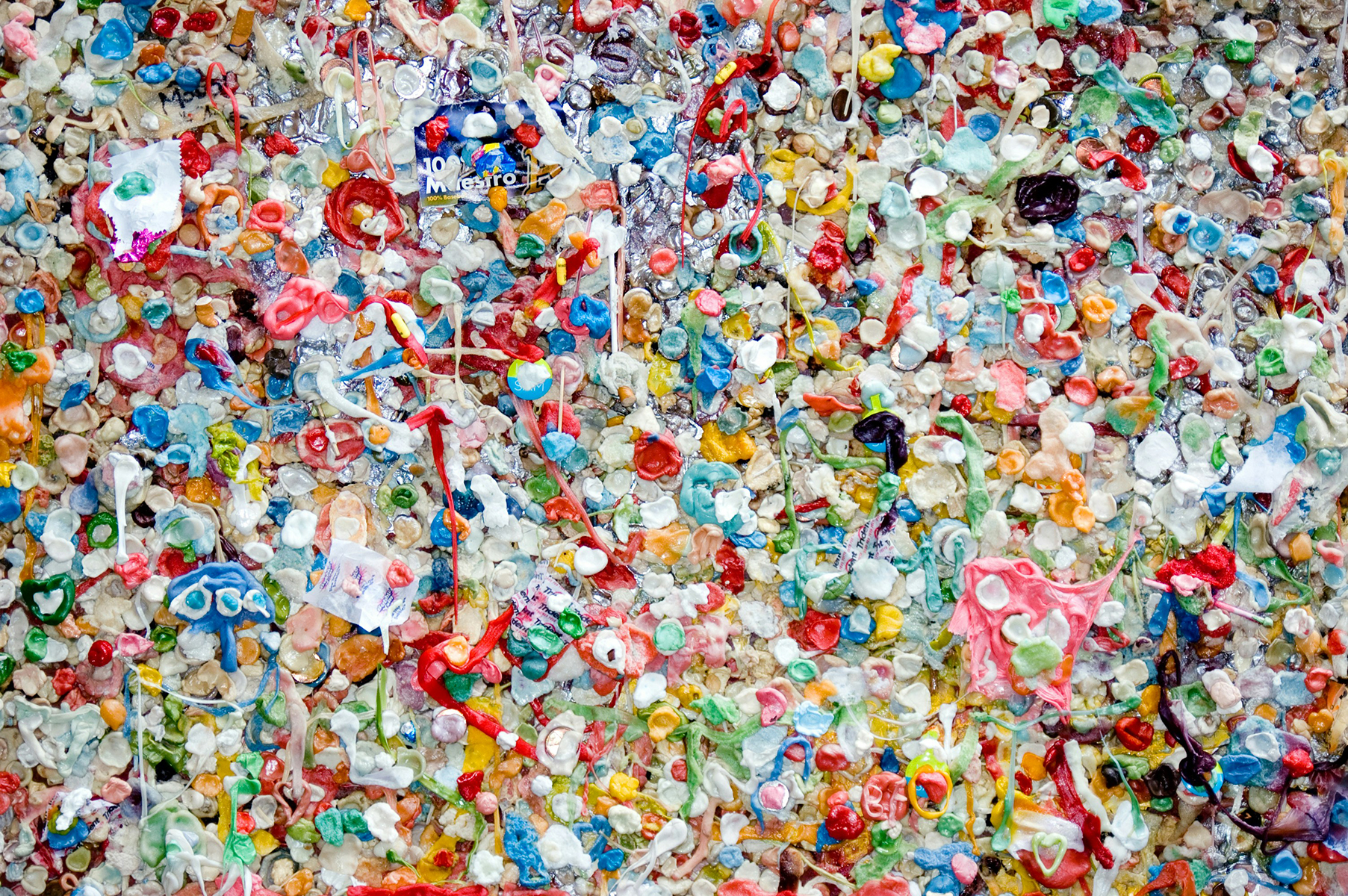
368 million tonnes of plastics were produced in 2019@downrightpunch / Unsplash
Rethinking the production of plastics
So how can this impasse be remedied? The report identifies several possible ways. Firstly, there is chemical or mechanical recycling which has been the subject of a great deal of attention in recent years although efforts along these lines have yet to effectively curb the waste production curve. Currently in Europe, 35% of plastic products are collected for recycling though reaching a higher rate is limited by the increasing complexity of polymers which makes them difficult to reprocess. However, Sophie Duquesne points out that "we're currently using far more plastic than our recycling capacity allows. We'll always need good closed-loop recycling but this alone won't solve the plastic issue so it doesn't look like a solution in the short term". Her sociologist colleague concurs, adding that "for the last twenty or thirty years, most financial and political efforts have focused on recycling at the expense of policies aimed at the prevention and reduction of plastic production. In these conditions, the key to unlocking the problem is to tackle it on a system-wide scale rather than substituting materials, even if they're bio-sourced".
This is why the export report questions the overproduction of plastic. Baptiste Monsaingeon explains that the group of experts noted the importance of "turning the tap off upstream of the production chain". The policy of substituting biosourced plastics has its limits since sometimes these need to be combined with petroleum-based plastics or other materials to make up for their inferior properties in some cases. The study studied a set of solutions to reduce plastic production at source. These included regulations like the abolition of single-use plastic straws, cutlery and carrier bags set out in France's 2020 AGEC Law
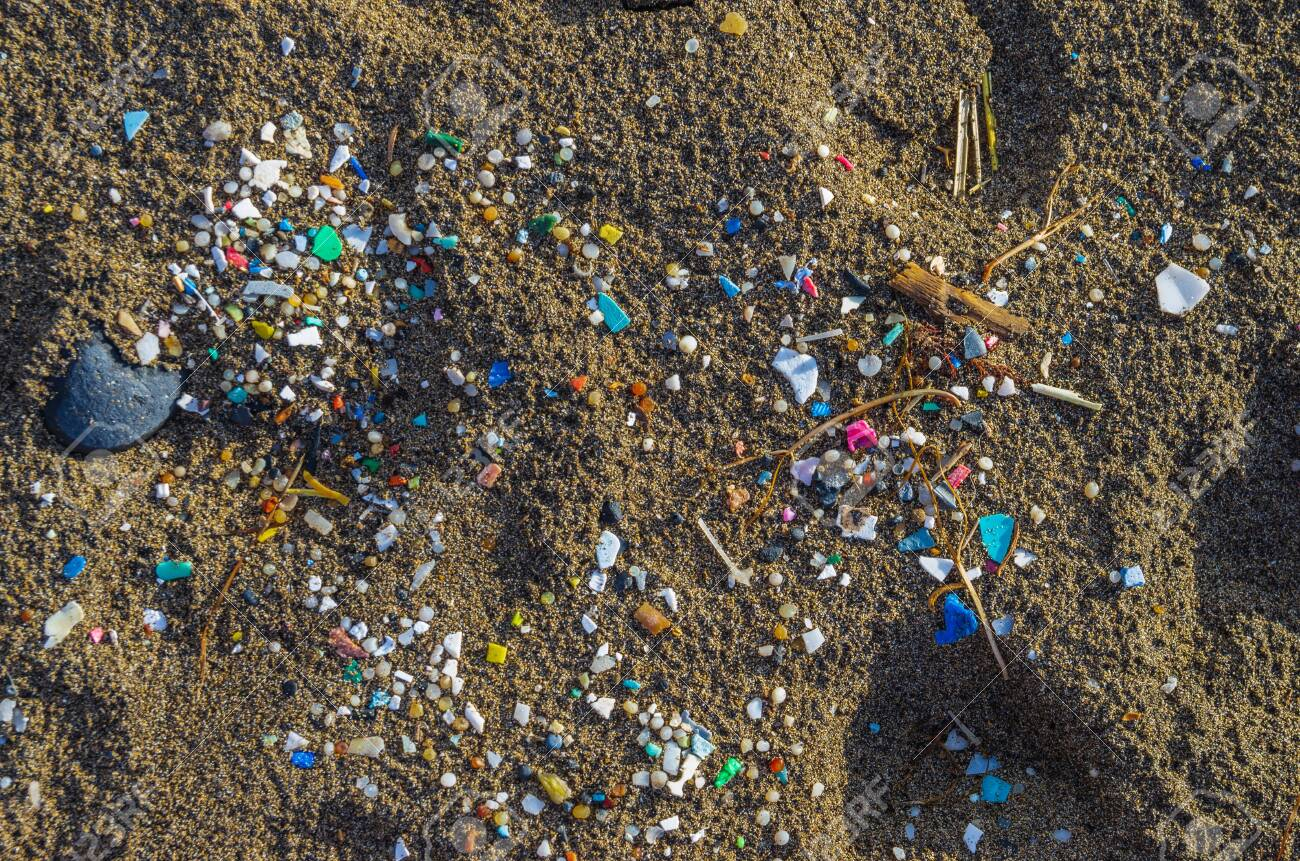
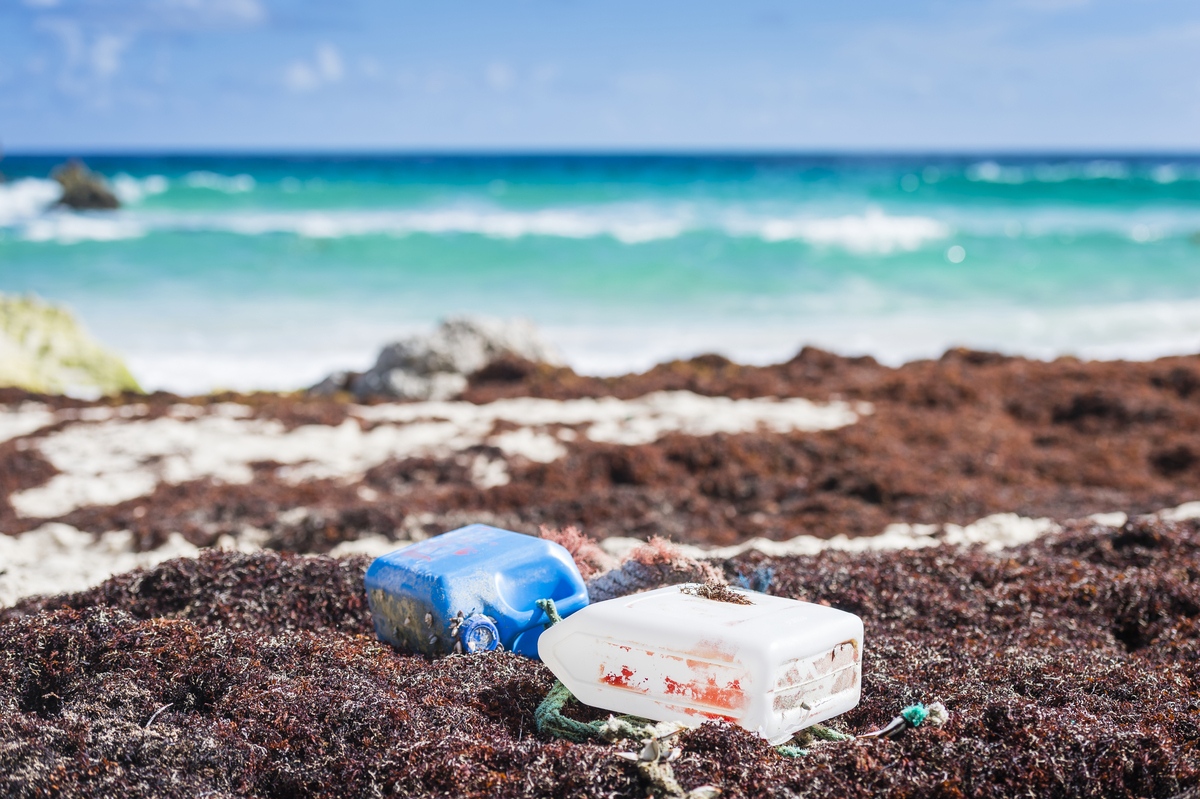
Plastic pollution of the soil, as seen here on a beach in Lanzarote, is reaching proportions greater than that of the ocean.@gaibruphoto
Finding the right solutions to cut usage and production will require new research and the most important line of study is the development of realistic 'sober" scenarios. Mr Monsaingeon considers this a real scientific challenge, wondering "how to make a limited world desirable where we will have to live with less".
New scientific issues
The final report's thousand or so pages reveal certain grey areas that could be the subject of further research. In fact the approach used in reports of this enables scientists to 'photograph' existing knowledge at a given moment to help identify gaps and blind spots and in this case one of these is the poorly documented agricultural uses of plastic products. Sophie Duquesne describes the situation thus: "We don't know very much about the ageing conditions of agricultural plastics because we also don't know that much about the conditions they're used in. As chemists, we need to base our research on field studies".
Driving a synergy between all the scientific disciplines in this kind of collective work is essential for dealing with such major challenges head-on. Valérie Lallemand-Breitenbach, the director of the Mission for Scientific Expertise (MPES), confirms this. "Our organisation puts its exceptional multi-disciplinary strengths to work on major social issues through expert reviews like these. They also mean the scientists taking part can showcase the knowledge gained from their research and important social issues their work relates to". Sophie Duquesne was delighted by this experience of sharing knowledge. "You can't find the time in research, either individually or overall, to look at what's being done in other disciplines that also work on your subject. I'd probably never have found out about soil pollution by microplastics without this expertise", she admits. This interdisciplinary work impacts her research topics and practices as she points out. "I now think about the societal impact of my research so it doesn't contribute to the proliferation of plastics".
The life cycle of nanoplastics is still poorly understood© Cyril FRESILLON / PEPSEA / CNRS Images
A tool for public action
In fact the results of this new report on plastics are of prime interest to public decision-makers as well as the scientific community. It was directly commissioned and funded by the Ministries of Agriculture and Food, and Ecological Transition, and by the French Environment and Energy Management Agency (Ademe). The director of the MPES points out that for researchers the "implies a change of position with science becoming an instrument that serves public action". Philippe Bolo, the MP for Maine-et-Loire, was a 'rapporteur' for a previous report on plastics by the Parliamentary Office for the Evaluation of Scientific and Technological Choices and was part of in the stakeholder committee for this report. He extols the virtues of a wealth of knowledge of this stature. "I don't think we can make political decisions without robust scientific information. We'd just be going in blind. For example, how can we better regulate the agricultural spreading of sludge contaminated by micro-plastics from sewage treatment plants now that we know the level of soil pollution by micro-plastics?''. Mr Bolo is already calling for a new report in a few years' time because "new research is opening up new areas of study that are really useful for public action".
The exercise also goes beyond the national context and could "provide factual elements to feed into debates between those negotiating the international treaty on plastics", observes Philippe Bolo. He believes that this collaboration between scientists from several different countries is "the perfect example of an international scientific dynamic that now needs to be extended to drive a similar international political dynamic".
The details of this collective scientific expertise review
- 30 French and European experts from 24 research organisations
- Nearly 4500 bibliographical references were studied (90% scientific publications plus around 100 legislative and regulatory texts)
- Two and a half years of work
- Three scientific leaders: Sophie Duquesne and Baptiste Monsaingeon for the CNRS and Muriel Mercier-Bonin for the INRAE
- 1 project manager: Lise Paresys (INRAE)
- 2 departments: the INRAE's collective scientific expertise, foresight and studies department, and the CNRS's Mission for Scientific Expertise
- 1 monitoring committee made up of representatives of the report's sponsors and the upper management of the participating organisations
- 1 stakeholder committee made up of representatives of the various stakeholders involved