CSR: ‘Transforming practices to improve working conditions in research’
A year on from its adoption, the CNRS’s Overall Sustainable Development and Social Responsibility Plan has acted as a catalyst to drive the adoption of more responsible practices. The CNRS’s National Environmental Transition Officer and the head of the organisation’s Corporate Social Responsibility Department discuss their involvement in science and also science’s relationship with society.
The CNRS’s Overall Sustainable Development and Social Responsibility Plan (SD&SR) Plan was published a year ago. In what way does this represent an important milestone for social responsibility at the CNRS?
Blandine De Geyer1: The SD&SR Plan has formalised the integration of environmental transition and social responsibility issues across the whole organisation and provided a national reference framework for these. There can be no environmental transition without the integration of social issues, because environmental measures cannot be implemented without social justice. Also, clearly, environmental transition issues really do impact working practices. This of course means that we have to provide effective support for these transformations.
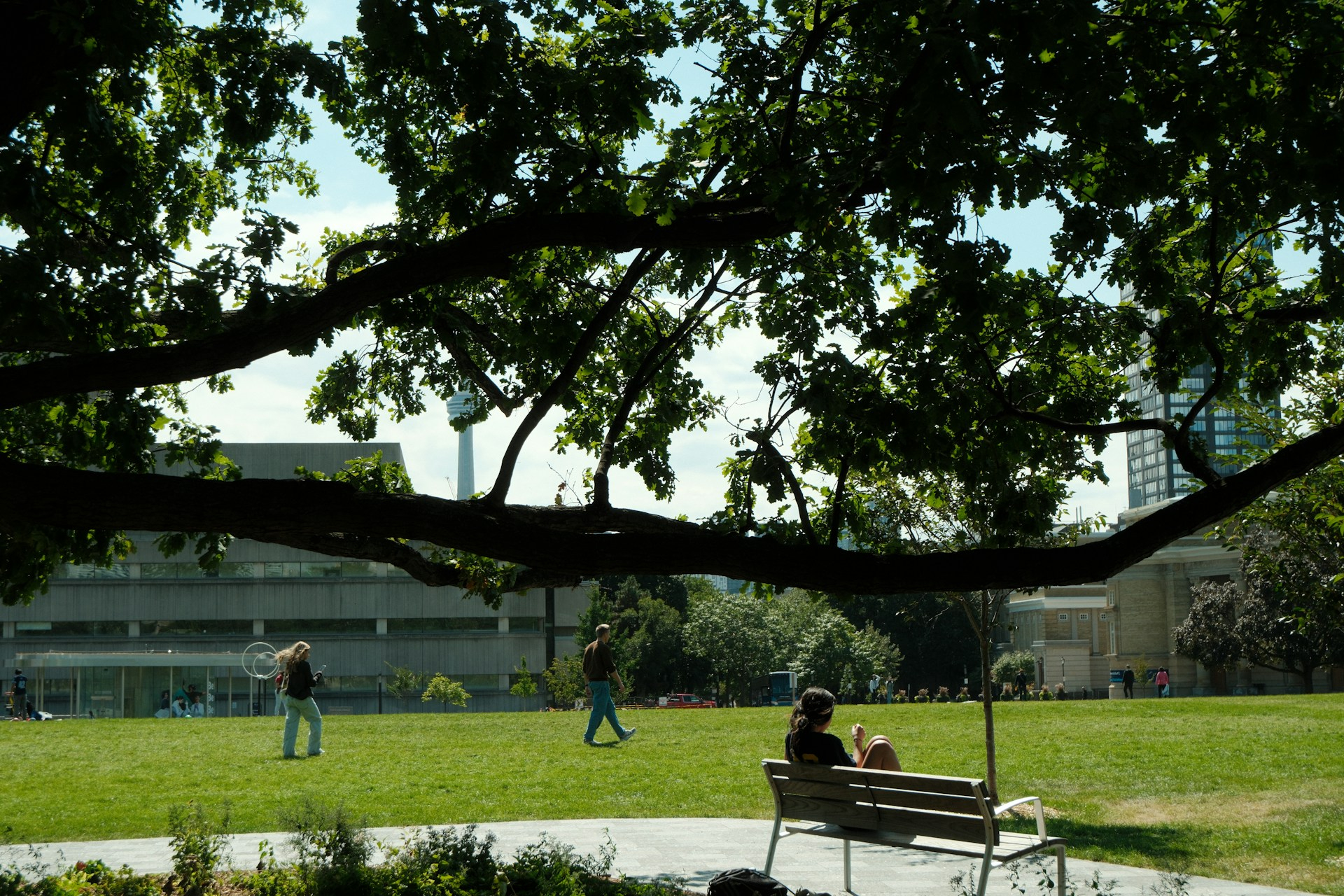
I’ll take the challenges involved in adapting working conditions to the consequences of climate change as an example. Greening campuses has very real effects on staff members’ quality of life at work beyond mitigating the effects of heatwaves.
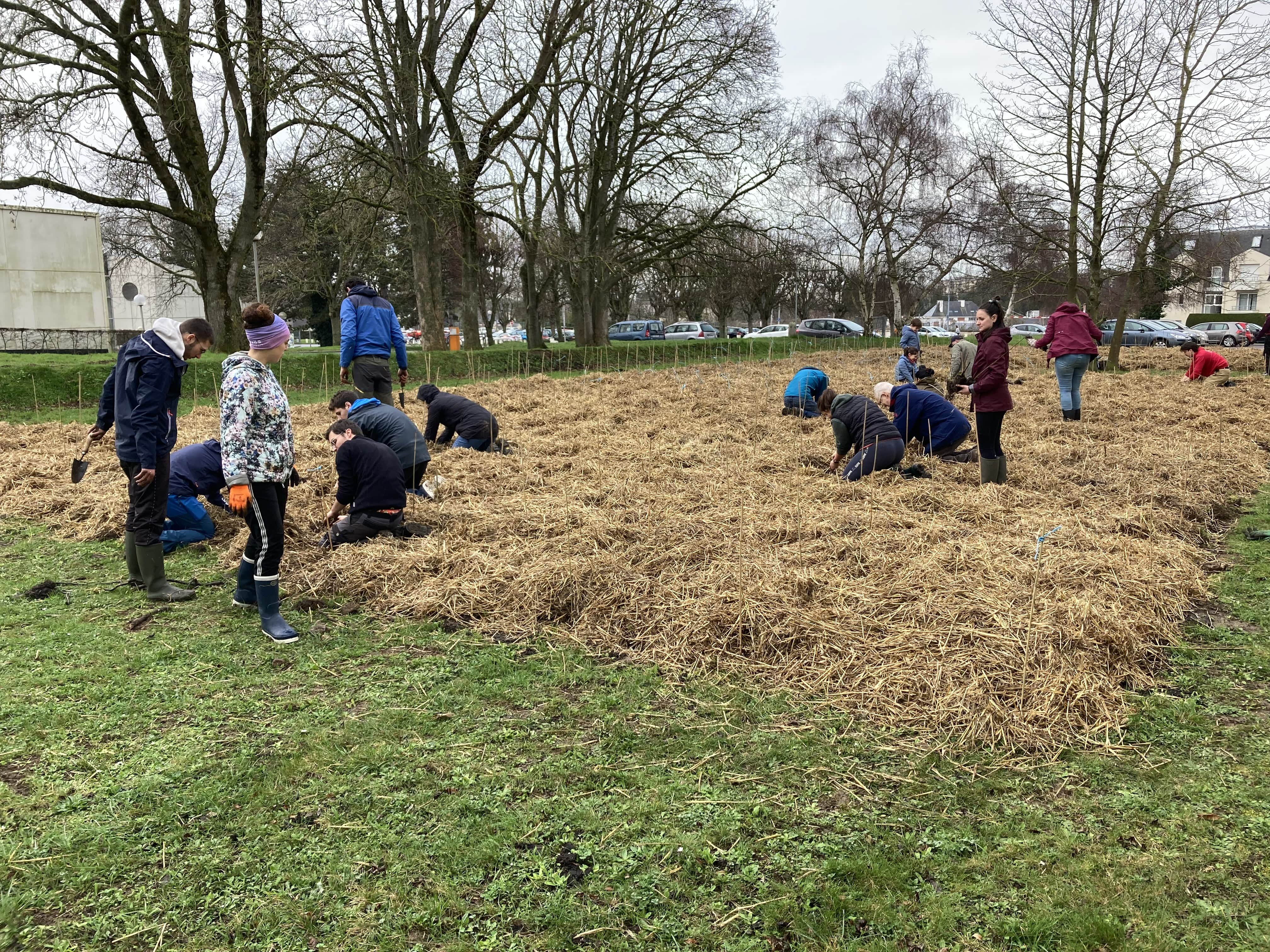
Lucie Tacheau2: The term ‘corporate social responsibility’ (CSR) only officially appeared at the CNRS two years ago in the wake of the reorganisation of the Human Resources Department, but, in fact, the organisation has been pursuing a social policy to enhance the quality of working life and conditions for all staff members since the late 1980s. In this way, the CNRS’s social policy supports staff catering, housing support, funding for nurseries, and so forth. The CNRS also has initiatives to promote mental health – a major national cause for the second year running – and support the disabled, which was the subject of a fifth action plan in 2025. The CNRS has also adopted a plan to improve working conditions and also strives to recognise its staff members’ work through individual and collective Crystal medals. Last year, the organisation gave the Institut de Biologie et Chimie des Protéines 3 in Lyon its first Collective Crystal medal to recognise its environmental initiatives.
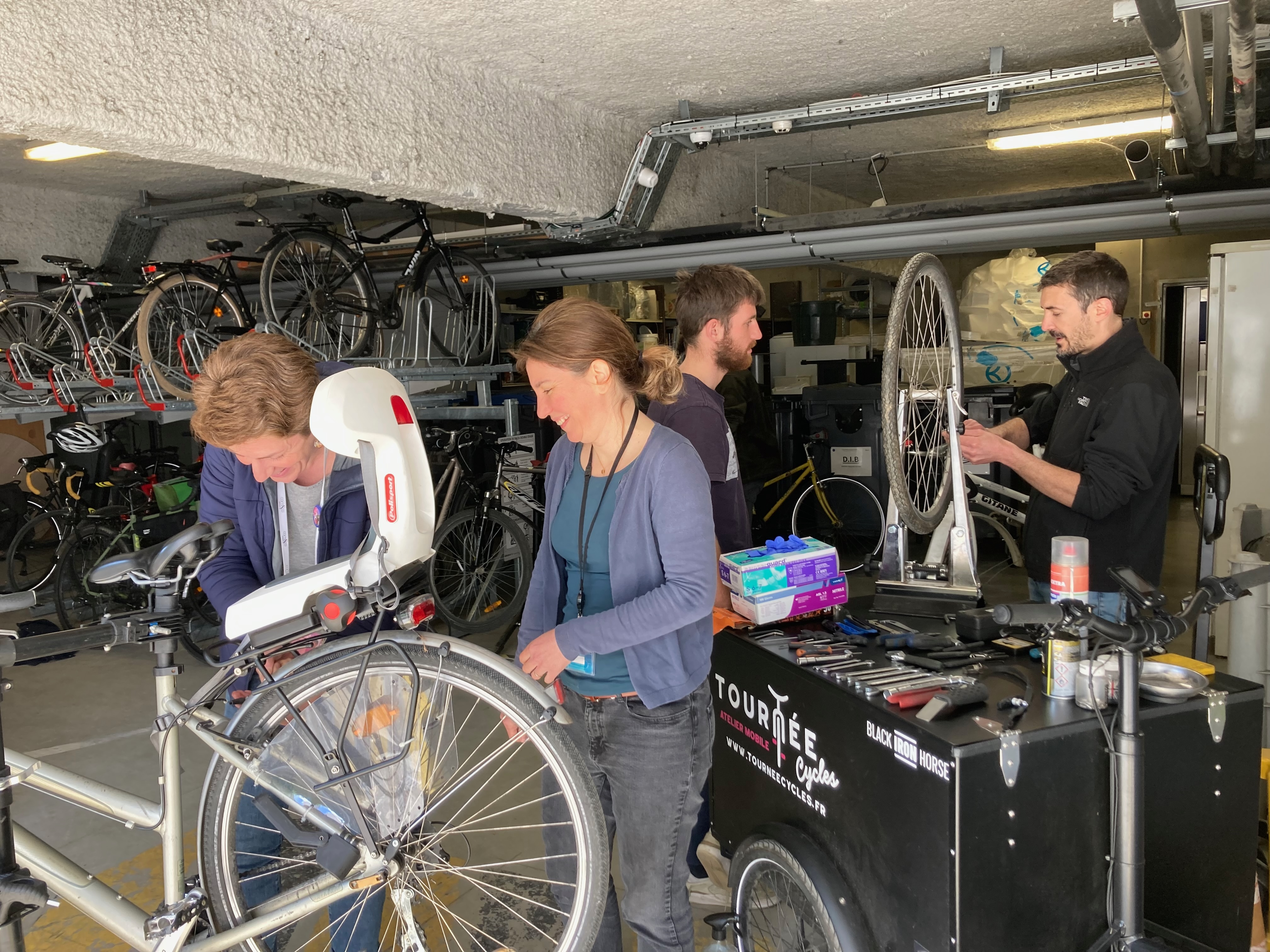
The Overall SD&SR Plan also highlighted the links between all these initiatives, which gives them meaning and makes them easier to understand. In this way, it provides a holistic view of the CNRS’s social responsibility and brings together many other stakeholders as well as the HR department: the Mission for Women's Integration, the national medical coordinator and the National Prevention and Safety Coordination unit, and our functional departments, Institutes and Regional Offices.
In practical terms, how does the SD&SR Plan link up environmental transition and social responsibility?
B. DG: Among other issues, the Overall SD&SR Plan deals with adapting to climate change, which calls for the organisation of work to be rethought. For example, the increase in the frequency and intensity of heatwaves means we need to rethink work patterns, the organisation of spaces, and develop cool zones so we can maintain a comfortable working environment for our staff members.
The environmental transition also requires the development of new skills, which is clearly a human resources issue, as it has to involve new training programmes and new roles. It’s also a strategic opportunity for us to draw on collective intelligence to work differently.
CSR is often associated with the private sector, but what about the public sector? Why is this important for the CNRS?
B. DG: The CNRS works alongside political decision-makers and is a key player in the environmental transition through its collective scientific expertise, impact reports and the training it coordinates for senior civil servants. This makes it all the more important for the CNRS to ensure consistency within its own internal organisation through the messages and recommendations it makes to decision-makers and civil society. Transforming research practices also provides the opportunity to carry out better research under better working conditions.
L. T.: CSR is now key to attracting and retaining staff, a factor which no public-sector employer can afford to neglect. The CNRS’s first social barometer published in the middle of May of this year forms part of our CSR indicators. This survey revealed contrasting situations (high levels of both well-being and stress, for example) among the nearly 9000 staff members who told us how they feel. This richly informative survey helped identify sources of satisfaction and also risk factors that affect the quality of life at work. Working groups will now be set up to take these findings further and develop an action plan. Quality of life and working conditions are not static issues – they require a process of continuous improvement, which is a core priority for the CNRS.
Finally, the duty to lead by example on this subject is even more significant given the CNRS’s direct impact on society through its activities. In fact it’s the organisation’s actual raison d’être. This means we really must maintain the trust the majority of citizens place in us in terms of our missions and also the way in which we carry them out, as the last reputational survey at the end of 2025 clearly showed.